 “Dubai is where the Iranian private sector breathes and prospers.”¹ –Vali Nasr, 2009
__________
The UAE has a well-earned reputation as a world-class center for commerce, finance, logistics and more. By modernizing its infrastructure and reforming regulations to draw foreign investors, the Gulf nation is better equipped to withstand slumping oil prices than its neighbors. Now, as sanctions against Iran are lifted by the nuclear deal, the UAE can also burnish its credentials as an entrepôt — akin to what Hong Kong once was in relation to China.
Iran is likely to become the biggest market in the Middle East, with nearly 80 million people, a majority of whom are under 30 and well-educated. The country’s pent-up demand should drive sales for foreign exporters at a time when so many of the world’s emerging markets are losing steam.
US firms still can’t do business in Iran due to prevailing sanctions² but European and Asian companies are eager to get a head start. Europe’s Airbus Group was announced its sale of 114 jets worth over $10 billion and other major European firms, from Daimler to Siemens, are closing big-ticket deals.
But business opportunities in the Islamic Republic aren’t without risks, including complex, confusing regulations that create disadvantages for foreign players should disputes arise. The country has been off the grid for so long that new entrants are wary. That’s one of the reasons why a growing number of Iran-bound firms are turning to the UAE as their “transshipment hub.”
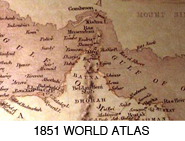
 Located just 29 miles apart at the Strait of Hormuz, Iran and the UAE are already close trading partners. Much of that trade flows through Dubai, the second largest of the UAE’s seven autonomous emirates. Dubai is home to one of the world’s largest Iranian diaspora communities where over 8,000 Iranian-backed companies operate. Foreign exporters are finding they can engage Iranians based in Dubai as their agents to avoid some of the risks of Iran’s operating environment.
The Emiratis and Persians have traded in bustling souqs along the Gulf shores for centuries. In the early twentieth century, Dubai emerged as an entrepôt when it became a tax-free trade haven. Trade between them has flourished since then.
In 2006, when sanctions closed other trade channels with Iran, Dubai’s ports served as Iran’s gateway to the world providing access to goods and services through both illicit trade and loopholes in sanctions rules.
Today, despite escalating tensions between Arab states and Tehran, a flurry of post-sanctions deals are propagated in Dubai. Even as the national government in Abu Dhabi announced last month that it was “downgrading” diplomatic relations and recalling its ambassador to Tehran, Dubai opened its doors to a new crop of Iran-bound foreign companies.
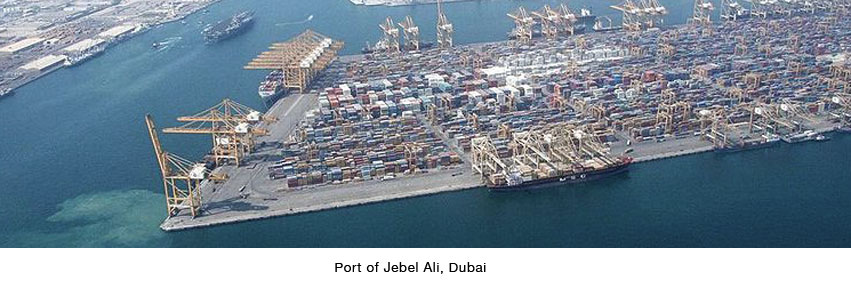
As the world’s third largest re-export hub after Hong Kong and Singapore, Dubai brings more than just proximity and cultural ties. Dubai is a world-class commercial center.
The emirate offers twenty-some economic zones and state-of-the-art ports and airports with direct flights to nearly every global metropolis along with service to major cities in Iran. While its private sector built an unmatched infrastructure, Dubai’s government rolled-out competitive tax and ownership rules to attract foreign businesses.
Despite the steps the emirate has taken to raise its game, Dubai’s future as an Iran-facing entrepôt depends on something outside its control, namely geopolitics. As ideological conflict and instability threaten markets elsewhere in the Middle East, Dubai remains open for business, and business is brisk. World attention is focused on the region’s widening chasms, but trade is serving as a bridge — as it has for centuries.
______________________________
¹ Quote is from Forces of Fortune, Vali Nasr 2009 book which delves into Dubai’s ties with Iran in the chapter, “The World According to Dubai.”
² Current US sanctions, parts of which predate the nuclear sanctions, are for Tehran’s record on terror, human rights and weapons usage.
For an insightful account of early Arab entrepôts, see Geroge Hourani’s, Arab Seafaring in the Indian Ocean in Ancient and Early Medieval Times. Princeton University Press, 1951 (hat tip: Robert Kaplan, Monsoon).
This post was revised on February 22.
Images: Port at Jebel Ali, by Imre, and map of the Persian Gulf by Martin, R.M. and Tallis J. & F. Arabia; both images are made possible under Creative Commons license, Wikipedia.