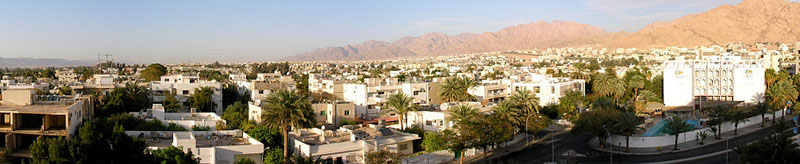
 Aqaba, Jordan
Another narrative
At a time when the dominant narrative about the Middle East and North Africa (MENA) reflects conflict and instability, it’s important to view the region from a more balanced perspective. Consider an alternative narrative — one that hinges on the region’s technology entrepreneurs. Their story is about building products for one of the world’s most promising markets.
The numbers tell that story best. The population exceeds 350 million in an area stretching from the Atlantic Ocean to the Persian Gulf. Eighty percent is under 30 and connected to the Internet — as the world discovered during the “Arab Spring.” There are 150 million Internet users, with 30 million more expected in the next two years. While quarter of the population has broadband, smartphone penetration is 40% and in Saudi Arabia and the UAE, it’s approaching 75%.
Arab diital media is one of the more exciting and dynamic sectors of the region. Despite economic and cultural diversity across 22 countries, consumers share an appetite for Arabic language content — digital news, entertainment, social media and gaming. As a measure of the market’s under-penetration, Arabic accounts for 5% of the world’s Internet users, but Arabic content on the Internet amounts to only 1.5% of the total. Only one in 20 Fortune 500 websites is in Arabic, and only a quarter of the top 100 global businesses offers Arabic content.
Arab media makers
A new generation of entrepreneurs is filling the growing demand for localized media in Arab markets. Leveraging the low cost-to-build digital products, they’re revamping education, healthcare, and other vital sectors—transforming their communities in the process. In the process, they’re building tech-focused entrepreneurial ecosystems from Dubai and Riyadh to Amman, ranked 10th best in the world for launching a tech start-up.
On closer inspection, it’s clear that the region’s most valuable asset isn’t its energy reserves, but rather its human capital. As history has shown, countries that unlock their human capital are likelier to transform themselves into stable and prosperous economies.
While volatility and conflict will grab the headlines and crowd-out competing narratives, entrepreneurs and consumers are the region’s unsung agents of change.
____________
For more on this subject, two superb books: The first was published before the “Arab Spring” but remains relevant: Forces of Fortune, by Vali Nasr. The second, Startup Rising, by Chris Schroeder, describes MENA’s start-up ecosystems and rising opportunities.